 SMEPro
How to Calculate What a Stock-Out Actually Costs You (With a Real Formula)
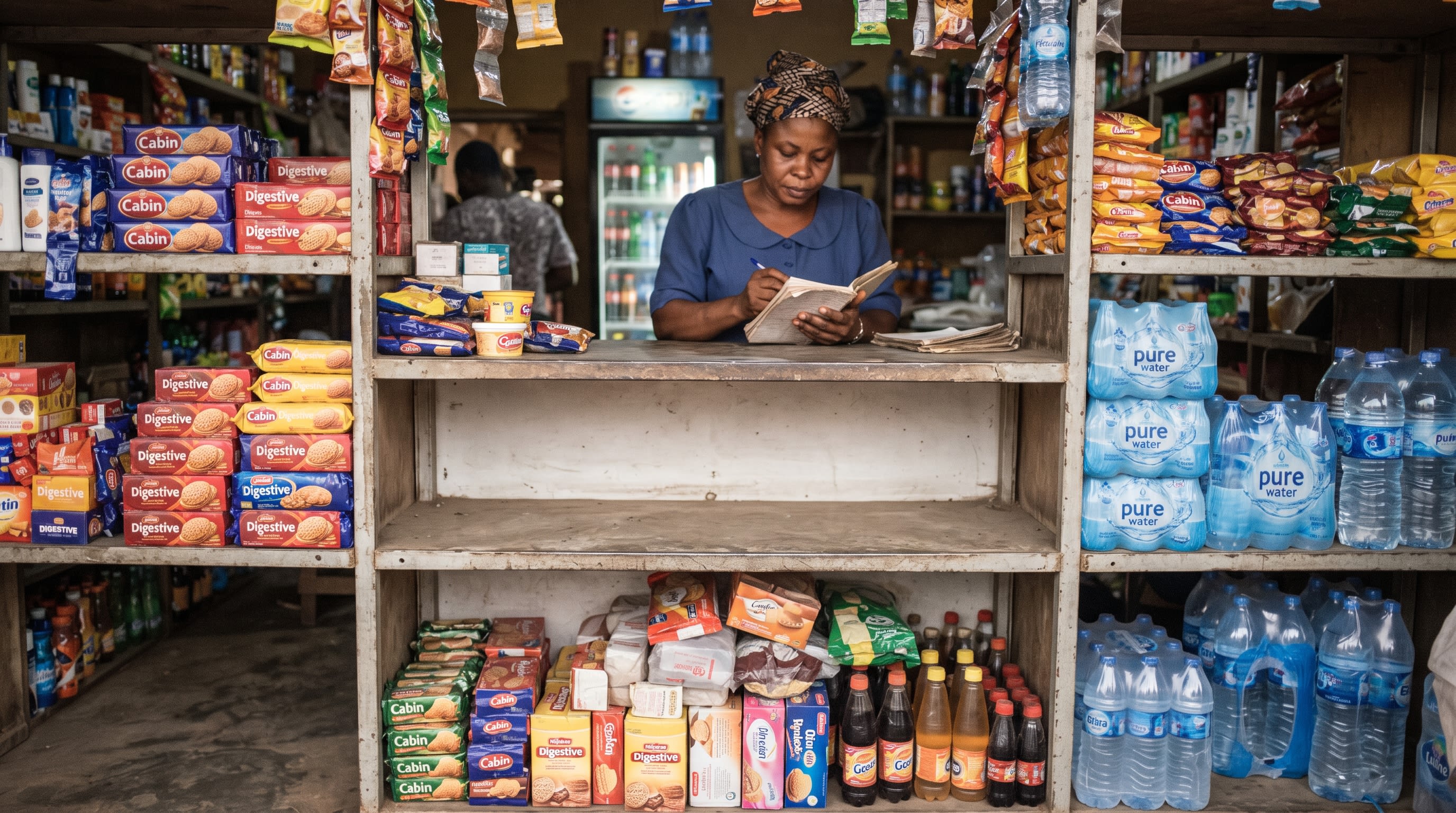
Every shop owner has had a customer walk in, ask for something that's out of stock, and walk right back out. It feels like a small loss in the moment. It rarely is. Here's how to actually calculate what a stock-out costs you — and why the real number is usually bigger than you think.
The Formula
The true cost of a stock-out has two parts, not one:
**Stock-Out Cost = (Lost Sale Value) + (Estimated Cost of Customer Going Elsewhere) × (Frequency the Item Runs Out)**
Break it down:
- **Lost sale value** — the profit you didn't make on that one missed sale. - **Cost of the customer going elsewhere** — the value of the sales that customer *would have* made with you over time, if they hadn't gone to a competitor instead. - **Frequency** — how often this particular item runs out. A rare stock-out is a minor annoyance. A recurring one is a pattern that trains customers to stop checking your shop for that item at all.
Multiply it out, and you get a number most shop owners have never actually calculated — and it's almost always higher than "well, I just missed one sale."
A Worked Example: Sachet Water (Real Naira Figures)
Let's use a common fast-moving item — sachet water — and walk through it.
- Say you sell a bag of sachet water for **₦300**, with a profit margin of **₦50** per bag. - **Lost sale value**: ₦50 (the profit on that one missed sale). - **Cost of customer going elsewhere**: If a regular customer buys sachet water from you 3 times a week, and after one bad experience they start buying from the shop next door instead, you don't just lose that day's ₦50 — you lose the ₦150/week (3 × ₦50) they would have brought you going forward. Even if they only fully switch away 1 time in 10 stock-outs, that's still a real average cost per stock-out. - **Frequency**: If sachet water runs out twice a month, that's 24 times a year this risk repeats.
Even with conservative numbers, a single fast-moving item running out regularly can quietly cost you **thousands of naira a month** — not from the missed sales themselves, but from the customers who never came back.
Why the "Invisible" Cost Is Usually the Bigger One
Here's the part most shop owners underestimate: the missed sale itself is small. It's a one-time ₦50 or ₦100. What's expensive is the customer who doesn't say anything — they just quietly start buying that item somewhere else, and sometimes they take their *other* purchases with them too.
You rarely hear about this loss directly. No one comes back to complain. They just... stop showing up as often. That silence is exactly what makes this cost easy to ignore and expensive to carry.
Setting Your Own Reorder Threshold — No Software Needed
You don't need an app to protect yourself from this. You need a **reorder threshold**: a stock level that tells you "order more now, before you run out."
Here's a simple way to set one using your own sales speed:
1. **Track how many units of an item you sell per day** on average (use a week of sales as your sample). 2. **Know your supplier's lead time** — how many days it takes from ordering to restocking. 3. **Multiply daily sales × lead time**, then add a small buffer (1–2 extra days of stock) for safety.
Example: if you sell 10 bags of sachet water a day, and your supplier takes 2 days to deliver, your reorder threshold is roughly 10 × 2 = 20 bags, plus a buffer of 10 more = **reorder when you hit 30 bags**.
This one calculation, done for your fastest-moving items, prevents the majority of stock-outs before they happen.
The Bottom Line
A stock-out is never just the missed sale — it's the missed sale plus the risk that a customer quietly stops coming back, multiplied by how often it happens. Once you calculate that real number for your fastest-moving items, reordering on time stops feeling optional and starts feeling obvious.
SMEPro flags low stock automatically before it becomes a stock-out.
[CTA: See How It Works → -> landing#features]